Textile Care & Longevity
Extend the life of your organic textiles with proper care and gentle maintenance
Making Your Textiles Last 10+ Years
With proper care, organic textiles can last for decades, becoming softer and more beautiful with age. Follow these guidelines to preserve your investment and reduce waste.
Gentle Washing
Use cold or lukewarm water and a gentle cycle. Avoid hot water, which can cause shrinkage and damage natural fibers. Turn items inside out to protect the surface and reduce friction.
Wash similar colors together and avoid overloading the machine, which can cause excessive wear and prevent proper cleaning.
Natural Detergents
Choose plant-based, biodegradable detergents free from harsh chemicals, bleach, and synthetic fragrances. These gentle formulas clean effectively while preserving the natural properties of organic fibers.
Avoid fabric softeners, which can coat fibers and reduce breathability. Instead, add a cup of white vinegar to the rinse cycle for natural softening.
Step-by-Step Care Instructions
Step 1: Pre-Treatment
Address stains immediately with cold water and a gentle, natural stain remover. Avoid rubbing, which can damage fibers. For oil-based stains, use cornstarch or baking soda to absorb before washing.
Step 2: Washing
Use cold water (30°C or below) and a gentle cycle. Add a small amount of natural detergent. For delicate items, consider hand washing in a basin with gentle agitation.
Step 3: Drying
Air dry whenever possible, either flat or hanging. Avoid direct sunlight, which can cause fading. If using a dryer, use the lowest heat setting and remove items while slightly damp to prevent over-drying.
Repairing Small Damages
Don't discard textiles with minor damage. With a few simple techniques, you can extend their life and add character.
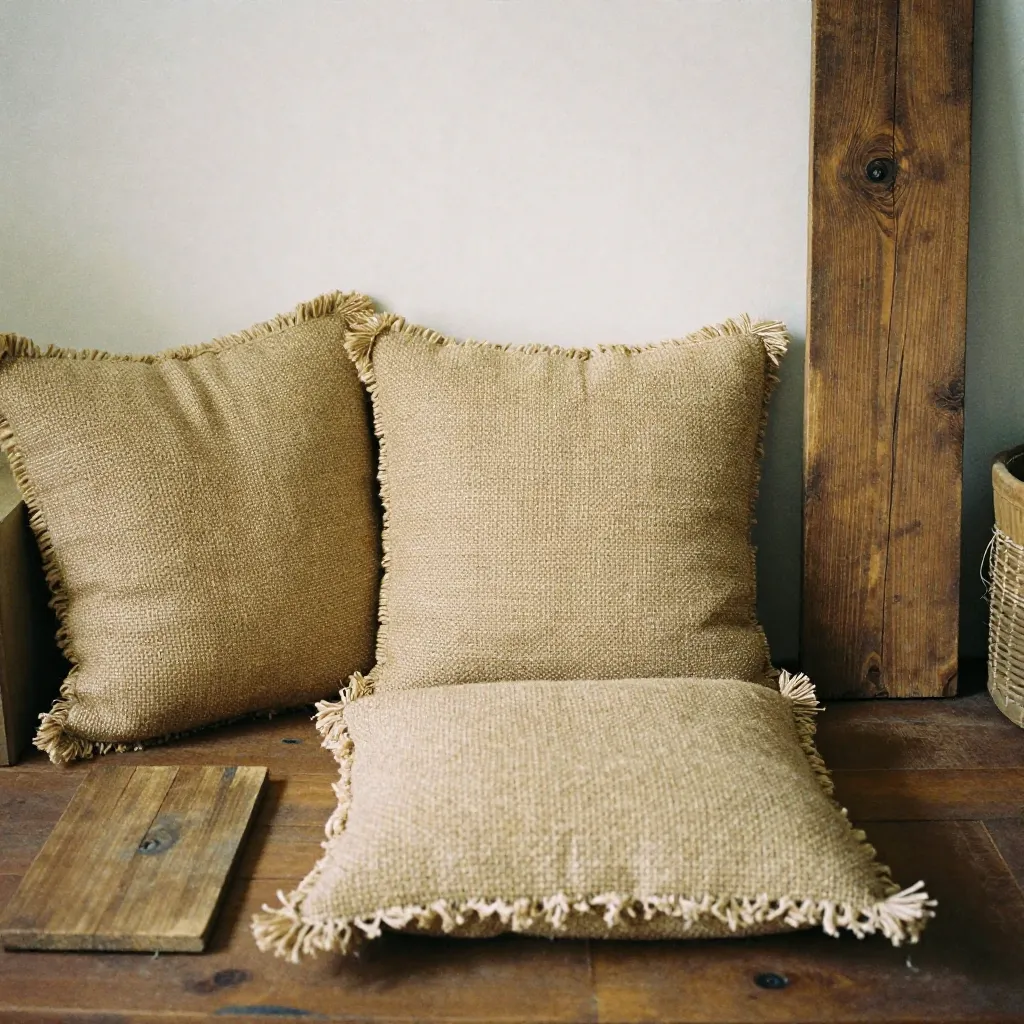
Reweaving
Small holes and tears can be repaired through reweaving, a technique that restores the original fabric structure. This method is best for woven textiles like linen and cotton.
For DIY repairs, use matching thread and a darning needle. Work from the back of the fabric, following the original weave pattern. For larger repairs, consider consulting a professional textile restorer.
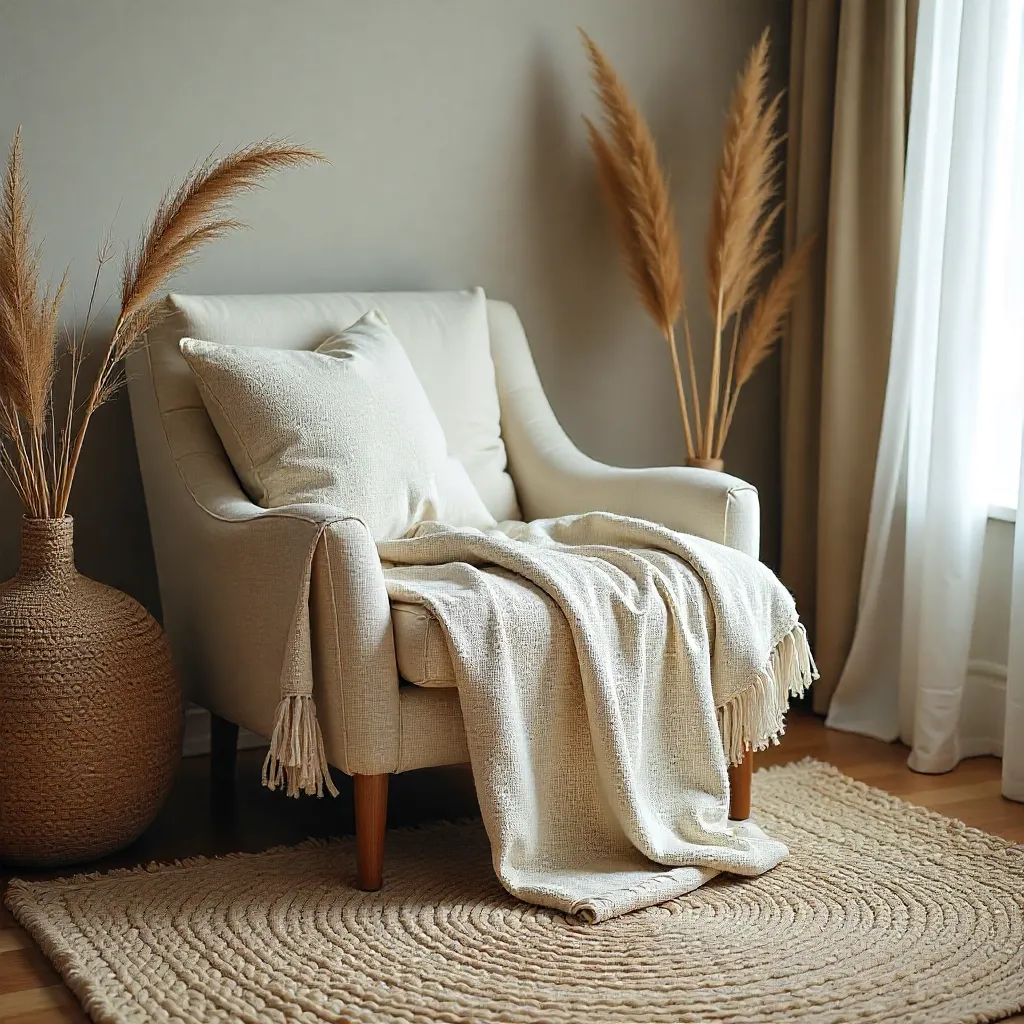
Natural Patching
Visible mending has become a celebrated art form. Use fabric scraps from the same textile or complementary natural materials to create patches that add character and story to your pieces.
Sashiko, a Japanese mending technique, uses decorative stitching to reinforce and beautify repairs. This approach transforms repairs into design elements while strengthening the fabric.
Storage Tips
Proper storage is essential for maintaining textile quality over time. Store clean, completely dry items in a cool, dark place with good air circulation. Avoid plastic containers, which can trap moisture and cause mildew.
- Fold items loosely to prevent creasing
- Use acid-free tissue paper for delicate items
- Rotate stored items periodically
- Check for pests and moisture regularly
- Avoid hanging heavy items for extended periods